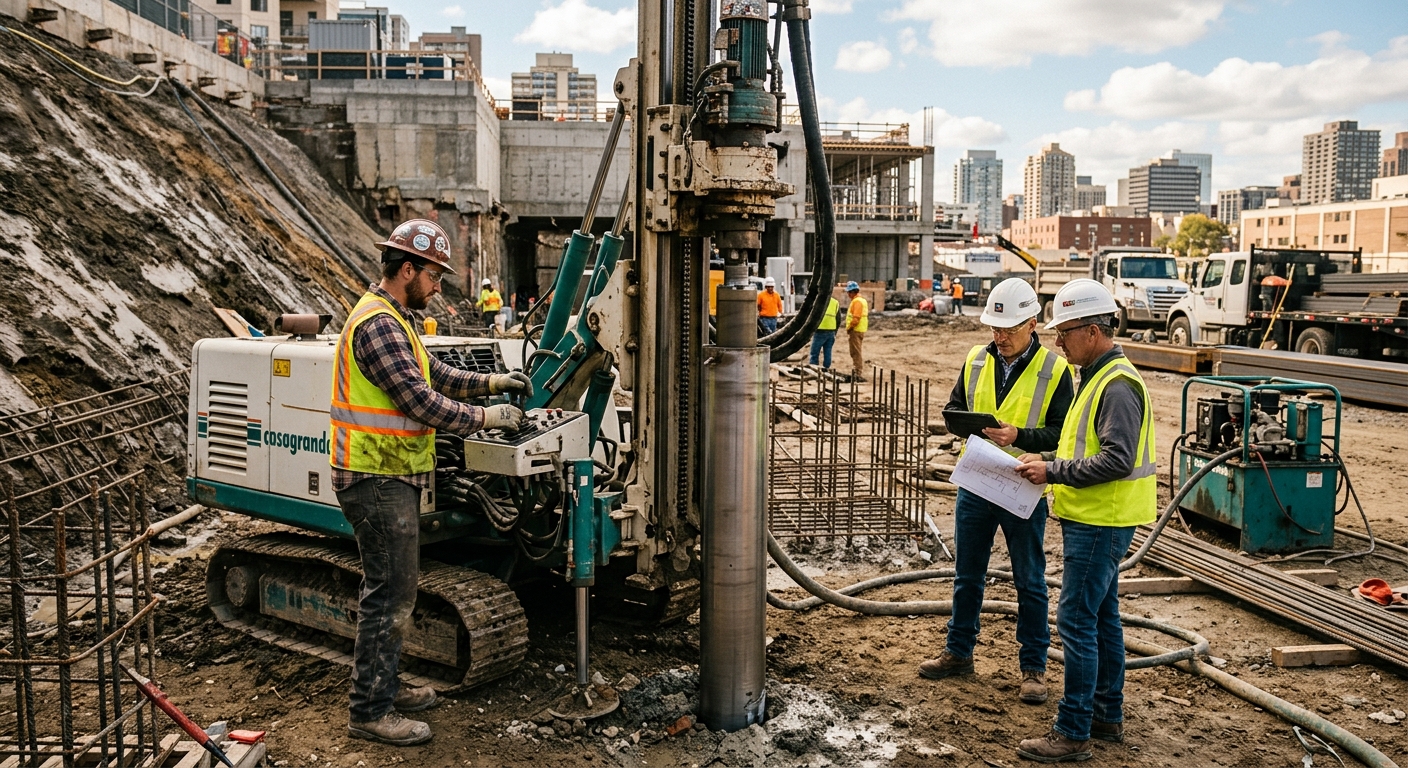
The U.S. economy relies heavily on skilled workers who keep homes, businesses, and infrastructure running smoothly. Yet many service-based industries are facing a workforce crisis that has been building for years. Today, the shortage of trained labor has reached a critical stage, particularly in three areas: electrical services, air conditioning repair, and junk removal.
Although each trade requires different skills, they all share common challenges—an aging workforce, fewer young people entering vocational careers, and cultural attitudes that steer students toward four-year college degrees instead of skilled trades. These trends have created ripple effects for consumers and businesses alike, including higher prices, longer wait times, and stalled projects.
Note: Gold Standard Electric is committed to quality workmanship. The Electrician West Palm Beach caters to the South Florida Market with a focus in Residential and Commercial work.
The Electrician Shortage: A Growing Demand for Power
Electricians are facing one of the toughest labor shortages in decades. Their work requires specialized knowledge, safety training, and ongoing education. According to the Bureau of Labor Statistics, more than 80,000 new electrician jobs are projected each year, a much faster growth rate than most other occupations.
The main issue is demographics. Many electricians from the baby boomer generation are retiring, taking decades of experience with them. Unfortunately, younger workers are not filling the pipeline quickly enough. Fewer high school graduates are considering apprenticeships, and vocational programs often struggle to attract interest because society continues to push college degrees as the “better” path.
At the same time, the work of electricians is becoming more complex as technology evolves. Some areas creating new demand include:
- Renewable energy systems: Solar panels, wind power, and battery storage require advanced electrical expertise.
- Smart technology: Smart homes and automated buildings mean electricians need IT and networking skills in addition to wiring knowledge.
- Electric vehicles (EVs): With EV adoption rising, electricians are needed to install charging stations at homes, offices, and public locations.
The shortage has real consequences. Construction projects face costly delays, and homeowners often wait weeks for simple repairs like a wiring fix or a panel upgrade. With demand so high, wages for electricians are rising, which benefits workers but also raises service costs. For many in the field, burnout is becoming a risk as workloads climb.
Note: Find a electrician port orange is a great way to search for an Commercial Electrician in the Daytona Beach, Florida
The AC Repair Shortage: Feeling the Heat
The air conditioning and refrigeration industry, also known as HVACR, is experiencing a similar crisis. In hot states like Florida, AC is not just a convenience—it’s essential for health and safety. Yet the average HVAC technician is in their 40s, and many are nearing retirement.
Demand, however, continues to grow. Every new building requires an HVAC system, and existing units in homes and businesses constantly need maintenance, repair, or replacement. The job itself is highly technical, requiring knowledge of mechanics, electronics, and thermodynamics. It’s also physically demanding, often requiring technicians to work in cramped, hot, or outdoor conditions.
Another factor increasing the challenge is environmental regulation. The phase-out of older refrigerants like R410A means technicians must undergo training for new materials and systems. This ongoing certification process adds time and cost for workers and companies.
For consumers, the impact is immediate. During peak summer months, AC systems often fail under heavy use. But with too few technicians, families and businesses are left waiting in sweltering heat for service. Shortages also create opportunities for monopolies, where a handful of companies dominate the market and raise prices. To keep up, technicians may rush through jobs, sometimes resulting in temporary fixes instead of long-lasting repairs.
The Junk Removal Shortage: Clearing a Difficult Path
While junk removal may not require the same licensing or technical training as electrical or HVAC work, it has its own set of challenges. The labor is physically demanding—hauling heavy furniture, maneuvering large appliances, and working outdoors in all conditions. Because of this, many workers don’t see it as a long-term career.
Note: Considering cleanout services near me? ECS Estate Cleanout Services offers compassionate, efficient, and professional support for your South Florida needs. Contact us for a free estimate.
High turnover is a constant issue. Junk removal companies must continuously recruit and train workers to replace those who leave. At the same time, they face stiff competition for labor from warehouses, construction, and delivery services—all industries that are also short on workers and often able to offer higher pay or benefits.
Consumers feel the shortage when scheduling services. Delays have become common, especially for large cleanouts tied to moving, renovating, or estate clearances. Businesses are also affected when clutter or debris interferes with daily operations. For the workers who stay, the shortage means longer hours and heavier workloads, leading to even more burnout.
Shared Challenges Across the Trades
Though electricians, AC technicians, and junk removal workers do very different jobs, they are all experiencing the same underlying problems:
- Retiring workforce: Older, experienced workers are leaving, and there aren’t enough replacements.
- Cultural attitudes: Many students are pushed toward college rather than learning a trade.
- Labor competition: Workers have more choices and may choose less physically demanding jobs with similar pay.
The result is higher consumer costs, longer wait times, and strained businesses.
Solutions for the Future
Addressing this labor crisis will take effort from schools, businesses, and society as a whole. Several strategies stand out:
- Promote vocational careers. Skilled trades need to be rebranded as respected, rewarding options. Messaging should focus on job security, high wages, and career independence.
- Expand apprenticeship programs. Hands-on training combined with classroom education creates a pipeline of qualified workers. Strong mentorship also ensures that retiring experts pass on their knowledge.
- Invest in education. High schools and community colleges should strengthen vocational programs, giving students early exposure to trades.
- Improve compensation and benefits. Companies must stay competitive by offering pay and benefits that reflect the physical and technical demands of the work.
- Leverage technology. Tools, automation, and software can help reduce workloads and make existing employees more efficient.
A Critical Challenge That Affects Everyone
The skilled trade shortage is more than a staffing issue—it’s an economic challenge that touches nearly every part of daily life. From powering homes to keeping them cool and clearing away waste, these industries are the backbone of modern living.
If action is not taken, shortages will continue to strain workers, raise costs, and delay essential services. But with investment in training, a cultural shift toward valuing vocational careers, and adaptation from businesses, the future can look brighter.
By supporting the next generation of electricians, AC technicians, and junk removal workers, we ensure that homes, businesses, and communities remain safe, efficient, and livable for years to come.