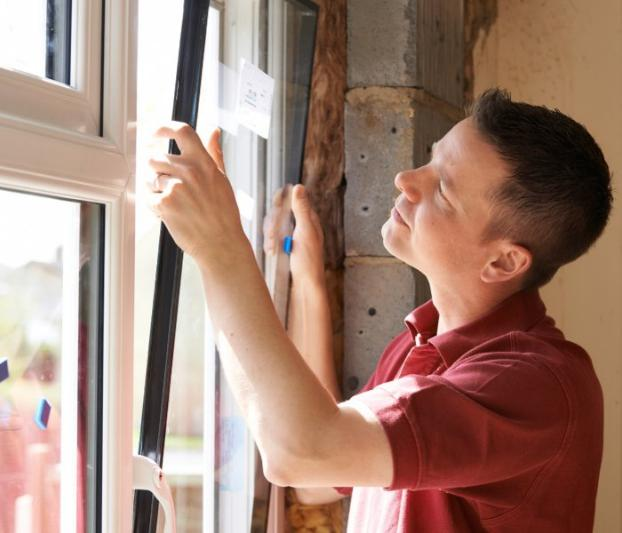
A new window may look like a single finished product, but its performance depends on more than the glass, frame, and hardware. The opening around it, wall materials, flashing, sealing, and final trim all contribute to how the finished project functions. That is why window installation involves more than simply removing an old unit and putting a new one in its place.
People planning window installation in Bradenton should think about how a new window will connect with the existing wall, not just which style looks best. The condition of the opening and the materials surrounding it deserve attention before the project is considered complete.
The Opening Has Its Own History
Every window opening has been exposed to years of weather, movement, repairs, and changes to the house.
Once an older window is removed, previously hidden conditions may become visible. The wood around an opening might show wear. Old sealants may have deteriorated. Previous repairs may also become easier to spot once trim and other materials are out of the way.
Finding something unexpected does not automatically mean the project has become complicated. It does mean the opening deserves a proper evaluation before the new window is secured in place.
Installing directly over damaged or unsuitable materials may hide a concern instead of resolving it. Taking time to look at the opening gives the new unit a better starting point.
Measurements Affect More Than the Window Size
Measurements are usually associated with ordering the correct window, but they also reveal useful information about the opening.
An opening may look square from across the room while having small differences from one side to another. Older construction, settling, remodeling, and previous window work may affect its dimensions.
Measurements also influence how the new unit sits within the wall. Installers need enough room to position and secure the window while accounting for the small gap between the frame and the rough opening.
That space becomes part of the installation process rather than wasted room around the window.
The Opening Is Part of Window Installation
The wall surrounding a window plays a major role in keeping outdoor conditions where they belong.
Water management is one important part of that relationship. The U.S. Department of Energy explains that properly installed window flashing directs water away from the wall cavity. Flashing works with other wall materials to create a path for moisture to move toward the exterior rather than deeper into the structure.
This matters because a window interrupts the otherwise continuous layers of an exterior wall.
The installer needs to consider how the window, flashing, exterior finish, and drainage materials meet. These details may look minor once trim is installed, but they form an important part of the finished assembly.
Sealing the Gap Around the Frame Matters
Even a correctly sized window does not fill every part of the rough opening.
A small space generally remains between the window unit and the surrounding framing. That area requires attention as part of the installation.
The appropriate sealing method depends on the window, wall assembly, and materials involved. The objective is to limit unwanted air movement without putting unnecessary pressure on the frame.
This part of the work is hidden once interior and exterior finishing materials are installed. Because it disappears from view, it is easy for people to focus more on visible details such as glass, hardware, and frame color.
The hidden portions still matter.
Exterior Finishes Need to Work With the New Window
Different houses place windows within different exterior materials.
Stucco, siding, masonry, trim, and other finishes meet the window in different ways. Replacing a window may disturb some of these surrounding materials, depending on the existing construction and installation method.
That makes it useful to discuss exterior finishing before work begins.
People should know which materials are expected to remain, which areas may be removed, and what the finished transition around the new window will look like. Thinking through these details early keeps the project focused on the complete opening rather than the window alone.
Interior Details Matter Too
Much of the technical work happens inside the opening, but the finished window also needs to look intentional from inside the room.
Interior trim may need to be removed and reinstalled or replaced. Paint or wall finishes near the opening may require touchups. The depth of a new unit may also affect how it meets the existing sill or casing.
These details become especially noticeable in rooms where the windows are prominent design features.
A living room with large windows, for example, puts more visual emphasis on trim lines and finishing work than a small utility space might. Looking at the entire opening from inside the room makes it easier to plan a finished appearance that fits the space.
One House May Have Several Types of Openings
It is easy to assume that every window in a house presents the same installation conditions.
That is often not the case.
A property may have original windows in one section and newer replacements in another. An addition may use different wall construction. One opening may sit beneath a deep roof overhang while another receives more direct exposure to rain.
Different window styles also interact with openings differently.
For that reason, a multi-window project should not be viewed as repeating one identical task over and over. Each opening deserves an individual look before the work moves forward.
Installation Details Should Match the Product
Window manufacturers design products with specific installation requirements.
Frame materials, fastening locations, flashing methods, clearances, and finishing details may vary from one product to another. The installation method should fit the actual window rather than treating every unit as interchangeable.
This is also why product selection and installation planning belong in the same conversation.
Choosing a window based only on appearance leaves out an important part of the decision. The existing wall, opening, exterior finish, and installation requirements should make sense together.
The Finished Window Should Operate Naturally
After installation, attention shifts back to the parts people see and use every day.
The sash should move as intended. Locks and latches should engage properly. Screens should sit correctly where included. The frame should appear aligned with the surrounding finishes.
Operating the window before the project wraps up gives the resident a chance to become familiar with the new hardware and notice anything that feels unusual.
It is also useful to ask how the window should be cleaned and maintained. Different frame materials and operating styles may have different care instructions, and learning those details early makes routine upkeep more straightforward.
Small Installation Choices Add Up
People often spend most of their time comparing window styles, frame materials, glass packages, colors, and prices. Those choices matter, but they are only part of the project.
Good window installation also depends on the conditions discovered once the old unit is removed and the way the replacement connects with the wall around it. Measurements, flashing, sealing, finishing, and operation all contribute to the final result.
A window may be the visible part of the project, but much of the important work happens around its edges and behind the finished trim.
Conclusion Look Beyond the Glass
Choosing the right window is an important first step, but the opening surrounding it deserves just as much thought. Looking at measurements, wall conditions, flashing, sealing, exterior materials, and interior finishes gives the entire project a stronger foundation.
When you are ready to plan your next window installation project, contact Bradenton Home Window Replacement to discuss your existing windows, the condition of your openings, and the options that fit your house.